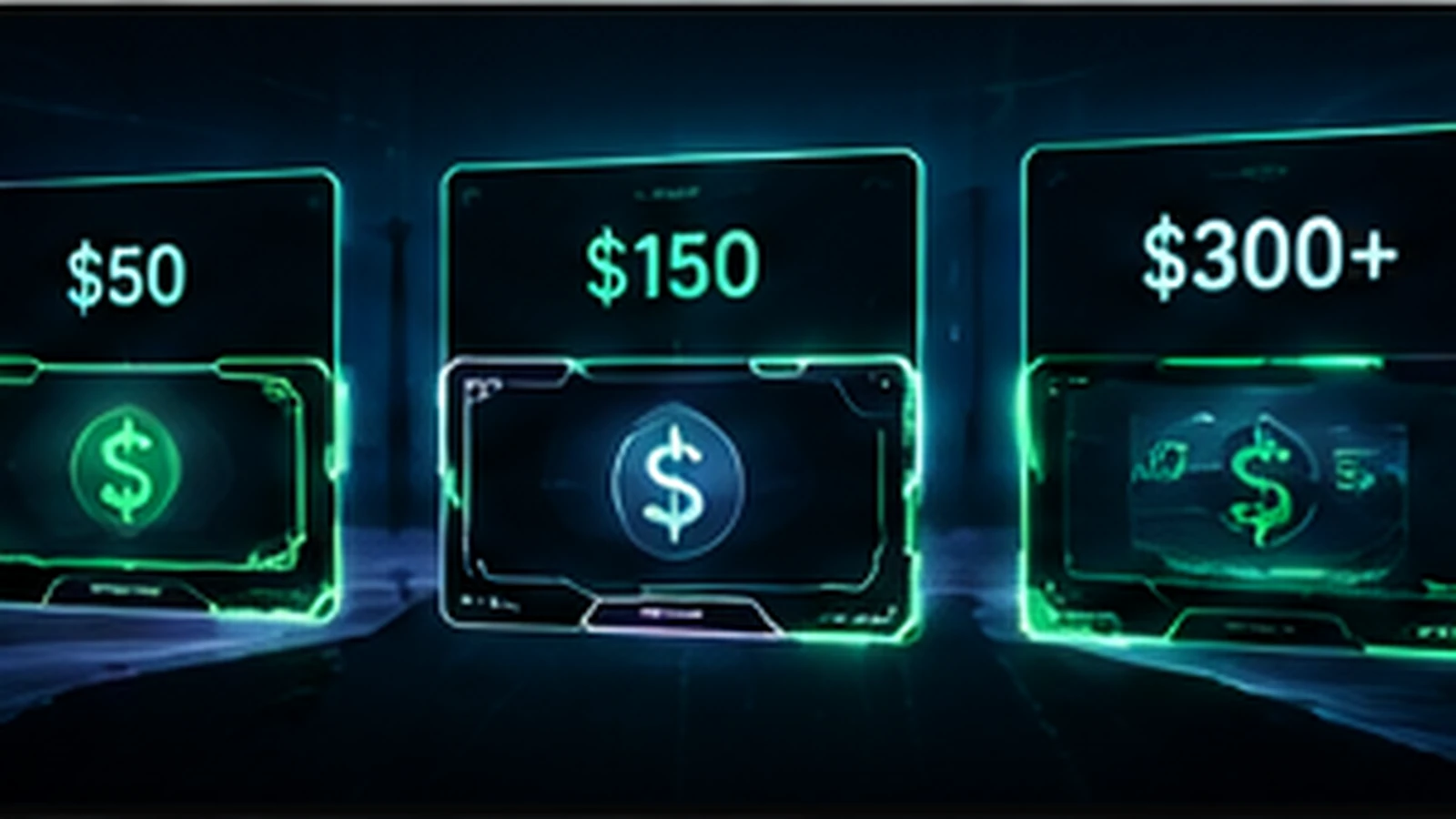
Twitch overlay pricing can be confusing because the same word can describe a single webcam frame or an entire animated stream identity. In 2026, streamers can spend nothing on a free theme, pay a modest amount for a premade pack, commission a custom static package, or invest several hundred dollars or more in a fully bespoke animated brand system. The useful question is not simply “How much is an overlay?” but “What deliverables, originality, animation, revision time, and setup support are included in this quote?”
2026 Twitch Overlay Price Ranges at a Glance
A practical planning range is: free to roughly $30 for many premade or single-theme options; around $50 to $150 for common freelance custom packages; and roughly $150 to $500 or more for animation-heavy, illustration-heavy, or broader brand packages. These are market-planning ranges, not fixed rates. Individual sellers, studios, and marketplaces vary widely, and a specialist brand system can cost well beyond them. Use the ranges to set expectations, then compare the actual scope line by line.
Why Two “Custom Overlay” Quotes Can Be Completely Different
One quote may cover only a gameplay frame and three screens. Another may include concept development, five scene layouts, alerts, panels, custom illustration, animated transitions, social assets, source files, and multiple revision rounds. Both can legitimately be called a custom overlay package. Before deciding that one provider is expensive or cheap, normalize the quotes: write the deliverables in the same order and compare the number of assets, level of originality, animation, revisions, licensing, source files, delivery time, and setup support.
Premade Packs: Lowest Cost and Fastest Setup
Premade packs are usually the least expensive paid option because the same design can be sold to many streamers. They can be a smart choice for a new creator who wants to look organized without committing to a long-term visual identity. Free and low-cost packs also let you learn which scenes you actually use before paying for custom work. The tradeoff is exclusivity: other channels may use the same layout, colors, or animation style. If that is acceptable at your current stage, premade can be the best value.
Custom Static Packages
Custom static work typically costs more than a template because the designer is creating layouts around your brand, scene structure, colors, typography, and content. A static package can still feel premium when the hierarchy is clear and the branding is coherent. For many streams, a clean gameplay layout, Just Chatting scene, Starting Soon, BRB, Ending, camera frame, and matching panels are enough. Static assets are also easier to maintain and can be a good middle ground when you want originality without paying for extensive motion work.
Animation Changes the Budget Quickly
Animation adds production time. A simple looping accent is not the same job as a custom stinger transition, animated mascot, multiple alert sequences, or a fully animated scene package. Ask exactly what is animated and how long each animation is. Also ask whether the motion is created from scratch or adapted from a template. Do not assume that more motion automatically means better design. Animation should reinforce transitions, alerts, or atmosphere without making gameplay harder to watch.
The Biggest Factors That Change Price
The main cost drivers are the number of scenes and assets, custom illustration or mascot work, animation complexity, alert variations, logo design, source-file delivery, number of revision rounds, rush delivery, and whether the designer also helps with implementation. A package for a creator who already has a finished brand is usually simpler than a project where the designer must invent the logo, color system, typography, icon style, mascot, and overlay structure at the same time. Write these variables into your request so the quote reflects the real job.
How to Compare Quotes Without Getting Tricked by the Headline Price
Compare deliverables, not package names. “Basic,” “premium,” and “ultimate” are marketing labels, not industry standards. Ask for a written list of scenes, panels, alerts, transitions, revisions, file formats, source files, licensing terms, turnaround time, and setup help. If animation is included, ask which exact assets are animated. Also clarify whether future text or color changes are editable by you or require another paid update. A slightly higher quote can be better value if it includes the assets and ownership terms you actually need.
How Much Should a Small Streamer Spend?
If you are still testing whether streaming will become a consistent habit, keep the graphics budget modest. Use a free or inexpensive pack, improve audio and lighting, stabilize the stream, and learn which scenes matter. Once you have a clear content format and you know what your audience sees every week, custom design becomes easier to brief and easier to justify. A small streamer does not need every possible asset. Spending on five useful pieces is better than buying twenty graphics that never appear on stream.
When Paying More Makes Sense
A larger budget can make sense when your channel already has a defined identity, you create content across several platforms, you need sponsor-ready layouts, you require original illustration, or you want animation that is central to the brand. It can also make sense when consistency saves time: one system for stream scenes, panels, banners, clips, and social graphics can be easier to manage than unrelated assets purchased over time. If you are comparing a custom package now, review custom Twitch overlay design, our portfolio, and stream design pricing alongside the quote.
Questions to Ask Before Paying a Deposit
Ask: What exact files will I receive? How many revision rounds are included? What happens if I request a new concept after approval? Are source files included? Are fonts and third-party assets licensed for my use? What software or services are required? Is setup assistance included? What is the delivery schedule? What happens if the project scope changes? These questions make the project easier for both sides and reduce the chance of discovering important exclusions after work has started.
Final Take
There is no single correct price for a Twitch overlay because the scope can vary from one file to a complete brand system. Use 2026 market ranges only as a starting point, then compare quotes by deliverables, originality, animation, revisions, ownership, and setup support. If the package solves the scenes you actually use and fits a stable brand direction, it is much easier to judge whether the price is reasonable.
Related reading: use Custom Twitch Overlay Guide for the broader planning process, compare Custom vs Premade Twitch Overlays, and see the deliverables breakdown in Twitch Overlay Package Guide.